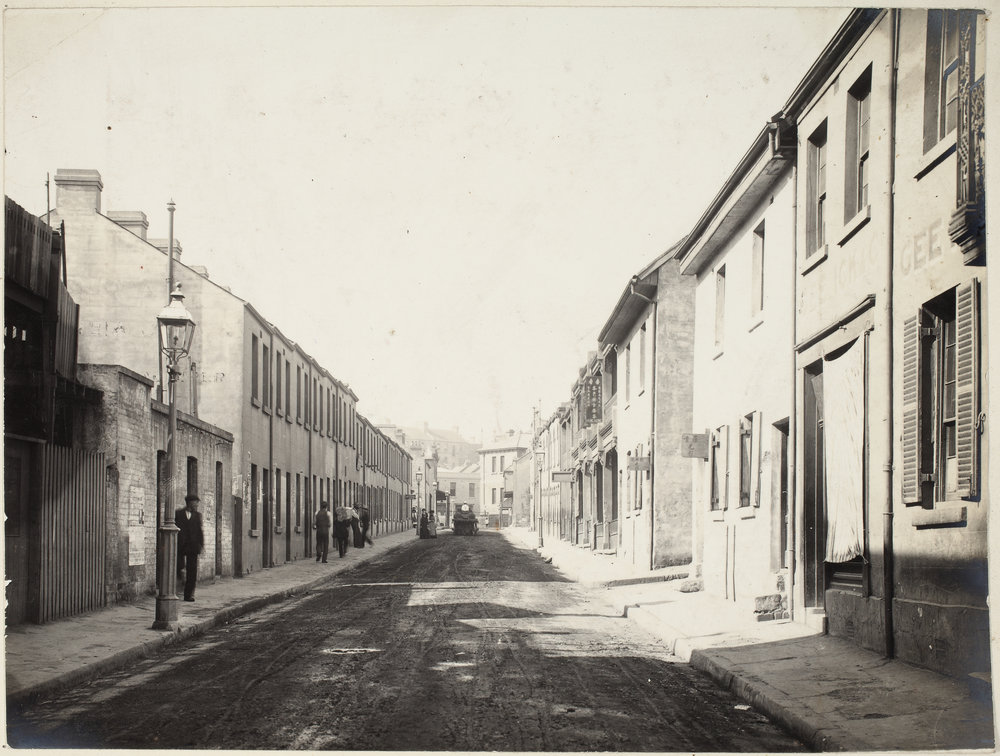
Image: City of Sydney, Glass Negative – Streetscape with Chinese businesses, Hay and Sussex Streets Haymarket, circa 1919 (01/01/1919 – 31/12/1919), [A-01001358]. City of Sydney Archives, accessed 07 Mar 2026, https://archives.cityofsydney.nsw.gov.au/nodes/view/1726786
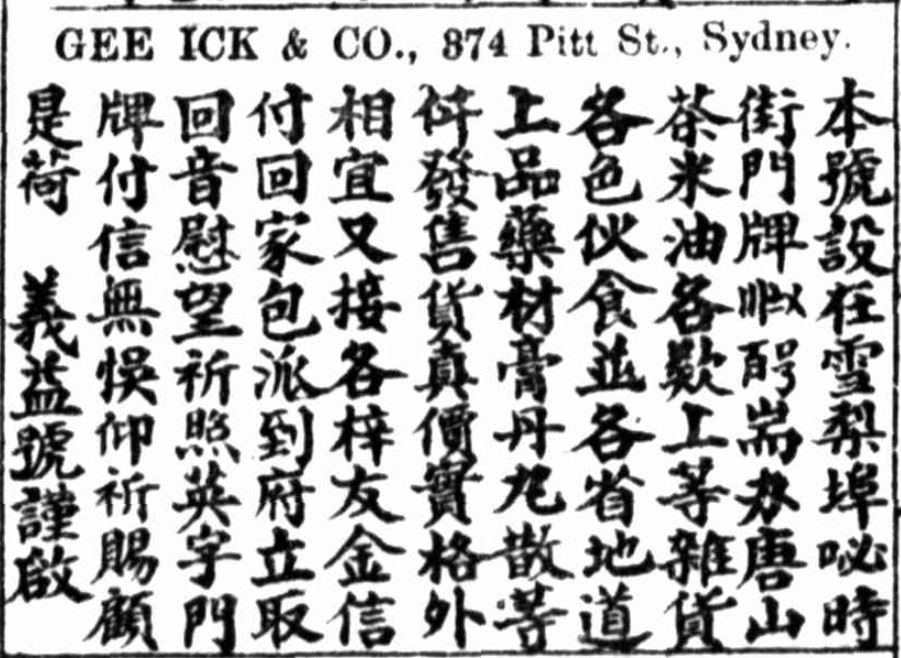
The firm Gee Ick & Co. Gee Ick, also known as Gee Yick, was a leading Chinese Import Export merchant in Sydney. The business was established in early 1860, (or perhaps earlier) by Lee Din War (or Lee Den War)1. They traded in a diverse range of goods, including tea, rice, beche-de-mer, bark, iron, copper, fireworks, coal, chinaware and gold from 1865)2.
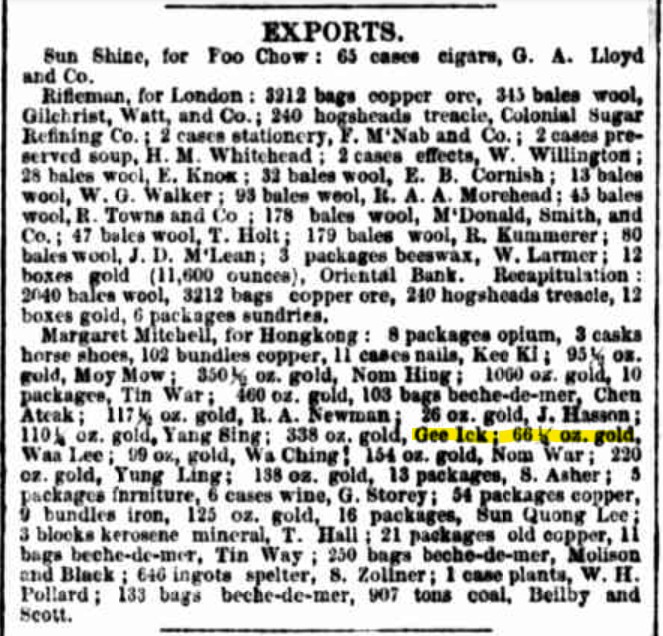
1860 – George Street
Gee Ick & Co business premises were located at 172 George Street, in the Rocks, close to Circular Quay 3 .
” …By 1865, additional masonry buildings were constructed south of the stores. At the George Street frontage of the site, a two storey shop became the premises for Gee Ick Importers and Loon Cheong Cabinet Makers. Way Key and Co Importers were well known Chinese merchants and built three new stores.“
— Except from One Circular Quay Archaeology page
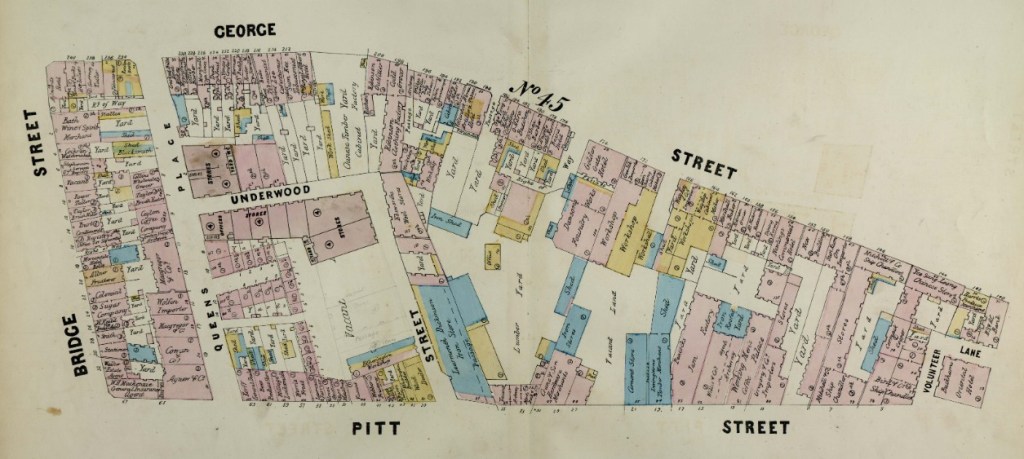
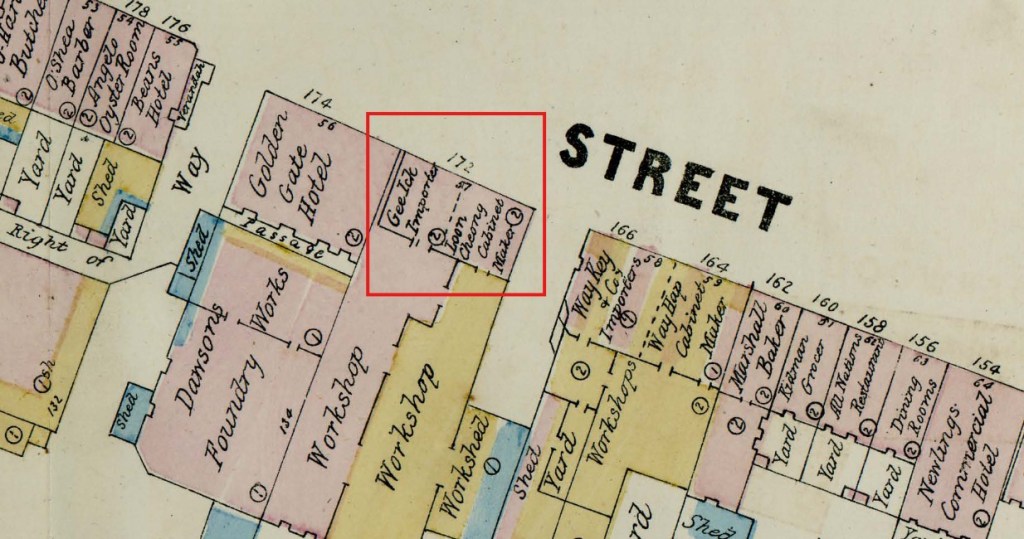
H Percy Dove, Plans of Sydney (Doves), 1880: Map 19 – Block 45 (01/01/1880 – 31/12/1880), [A-00880118]. City of Sydney Archives, accessed 01 Feb 2026, https://archives.cityofsydney.nsw.gov.au/nodes/view/1709045
1880s Gee Ick / Yee Yik in the gold town of Tambaroora
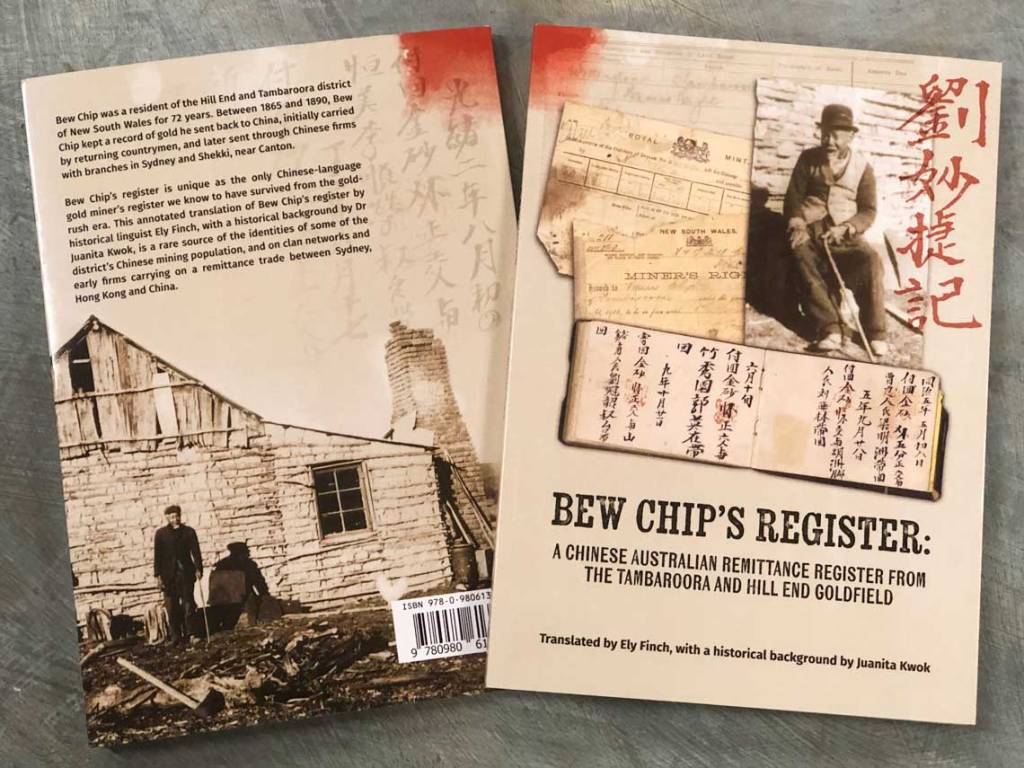
Gee Ick & Co, along with Tin War and On Yik Lee, appear to be the three key Chinese businesses operating between rural towns in Australia, Sydney and Shekki, Guangdong, that are recorded as remitting gold during the 1880s in the remittance ledger of Mew Chip Co. 劉妙捷記, a Chinese firm in the gold town of Tambaroora in New South Wales. A detailed account and transactions are provided in the recent publication, Bew Chip’s Register – A Chinese Australian remittance register from the Tambaroora and Hill End Goldfield by Historian Dr. Juanita Kwok and Translator Ely Finch. The book is an in-depth study and translation of a one-of-a-kind notebook that has survived from the gold rush era.
The Chinese remittance trade operated via social networks such as Chinese merchants, clan associations by sending letters from Australia and other overseas locations to family in home villages back in China. This system was known as quapoi or jinxin. The term “jin” (金) means gold or gold sovereign, while “xin” (信) means letter. Historian Mei-fen Kuo provides an interesting examination of jinxin in her Publication; Jinxin (金信): The remittance trade and enterprising Chinese Australians, 1850-19164
Lee Family Connection
According to documentation from the National Archives,5 Gee Ick & Co was owned by Lee Din/Den War (also known as Gee Ick), and the firm is co-owned and managed by the sons and relatives including: GOON, Ick; KUM, Tuen; TONG, Sum; LEE, Doon Yow; GOON, Iack GOON, Chin Jaw; WAR, Ick Jaw; WAR, Ick Tai; DIN, War; HIN, Man.
In 1888 Lee Din War, along with wife and 12 year old son W L Kum Yin, left Sydney to travel back to China, where they remained for 6-7 years. W L Kum Yin was probably taken to China for the purposes of education in Chinese traditions.
The NAA document also records Din War as the father of not only W L Kum Yin, but also the father of brothers Goon Ick and Kee Chong.
According to Immigration Restriction Act correspondence, 1904-08, a letter sent by Willie Gee Ick in 1908, claims that Lee Din War passed away in late 1907, in Hang Mei, Guandong, China, and that the business had been managed by his cousin Goon Ick,
Excerpt of a letter to Customs from W L Kum Yin: “…I returned to Sydney in 1901 and have carried on my father’s old business which is now mine ever since, and I have a branch of the business in Hong San.”6
Willie Gee Ick claims to own the business. However, other documents in the NAA file suggest he has a shareholding of £200 or is one of five other shareholders, along with brothers and relatives.
Working on Tribute
In 1881, a large influx of Chinese migrants was observed, with newspapers reporting numbers—over 2,000—with many quickly dispersing to interior regions in search of employment. One such place was on the tin mines of the New England region at Tingha, where they would ‘work on tribute’ for a “boss Chinaman”. Their passage to Australia was assisted by merchant stores such as Gee Ick & Co — Gee Ick received 30 by the Menmuir, 30 by the Hungarian and 30 by the Crusader7.
As a prominent business, Gee Yick & Co was included in the congregation during a visit in 1887 by “…General Wong Yong and his colleague U. Tsing, the commissioners sent by the Chinese Government to inquire into and report upon the condition and status of their fellow-countrymen in New South Wales8.”
During the 1890s Gee Ick joined the Lin Yik Tong, which was formed by W.R.G. Lee in 1892, and was also known as the Chinese Commercial Association. The association aimed to engage in charitable work, foster business relations among merchants, and mediate disputes within the Chinese community. More information on the Chinese Masonic Association can be found on Our Chinese Past site
In 1897, Gee Ick, along with fellow deputation members of Lin Yik Tong; Yee Hing, Fook Lum, W.R.G. Lee from On Yick Lee, Chin Lum, See Yung, and J. Ah Long, representing Chinese merchants in Sydney, announced their intention to hold a Chinese carnival. The proceeds from this event would be donated to the Sydney Hospital. The President, Sir Arthur Renwick, acknowledged the ongoing generosity of the Chinese residents, who had significantly contributed to the hospital9.
374 Pitt Street 1896-1903
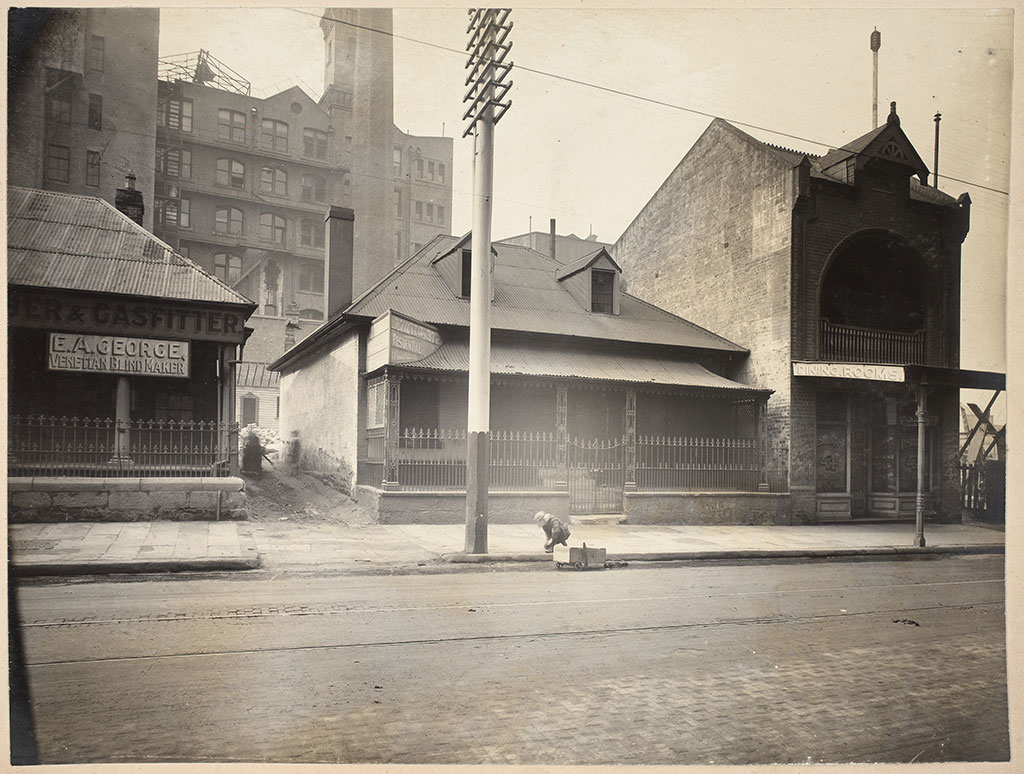
Gee Ick and Co. occupied 374 Pitt Street from when it was built in 1896 until at least 1902, it’s the building on the right in the image below and is described as a two-storey tenement with iron roof and blind attic with carved bargeboard, a brick arched and enclosed verandah with wooden balcony and awning on which is a sign Dining Rooms.
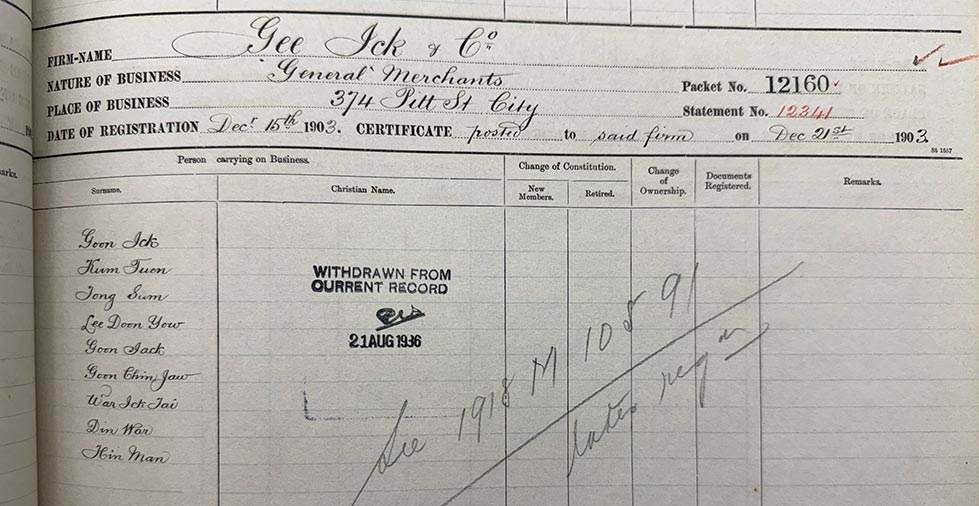
In the 1903 Register of Firms Index, GEE ICK & COMPANY lists the following people carrying on business: GOON, Ick; KUM, Tuen; TONG, Sum; LEE, Doon Yow; GOON, Iack. And additional People in Business: GOON, Chin Jaw; WAR, Ick Jaw; WAR, Ick Tai; DIN, War; HIN, Man
INX-48-15958
1903-1908, 62-64 Wexford Street
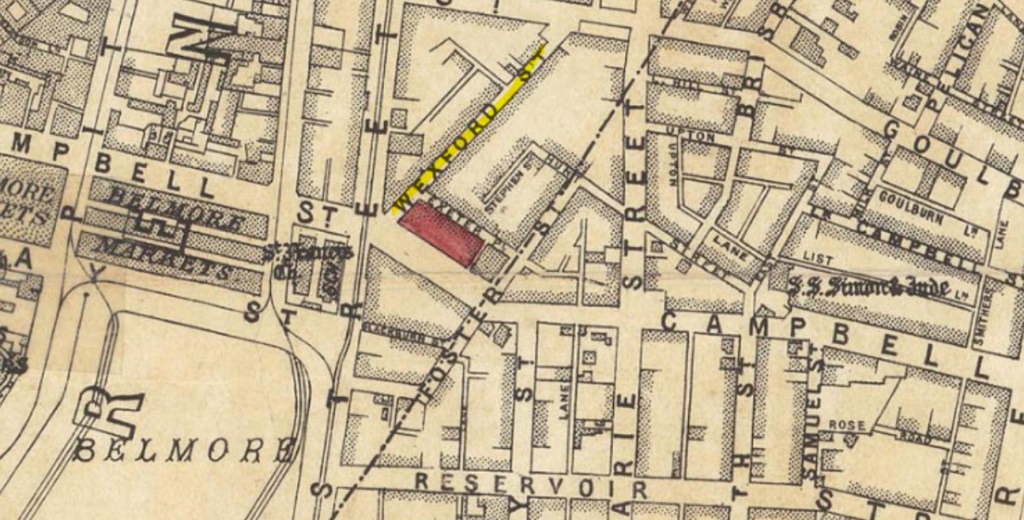
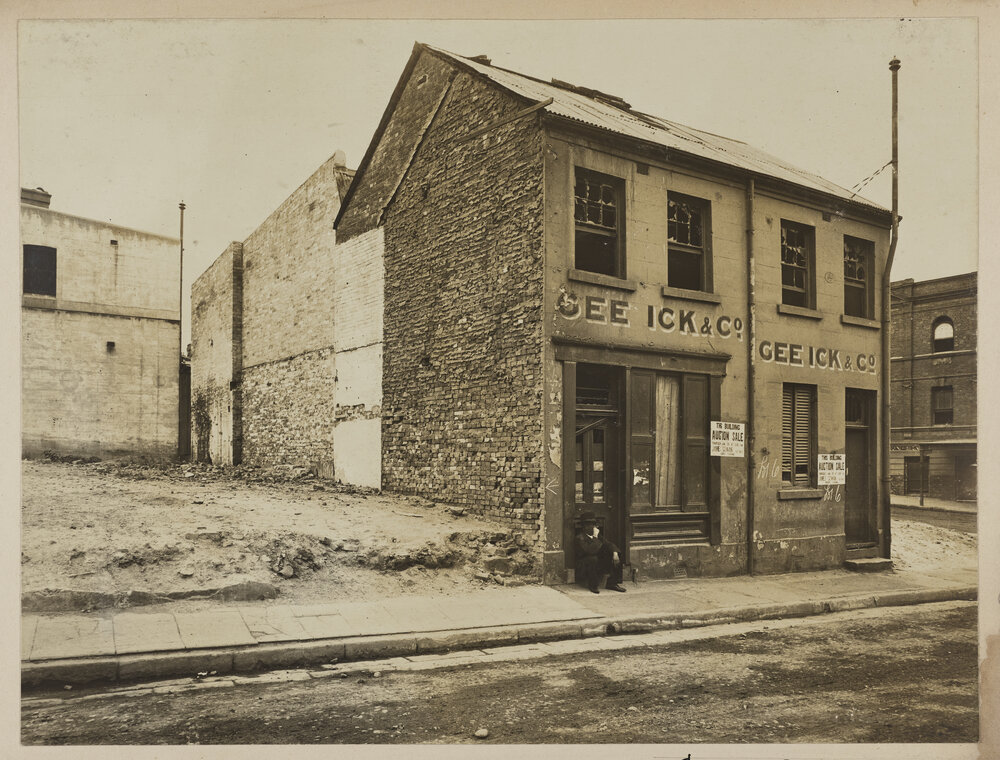
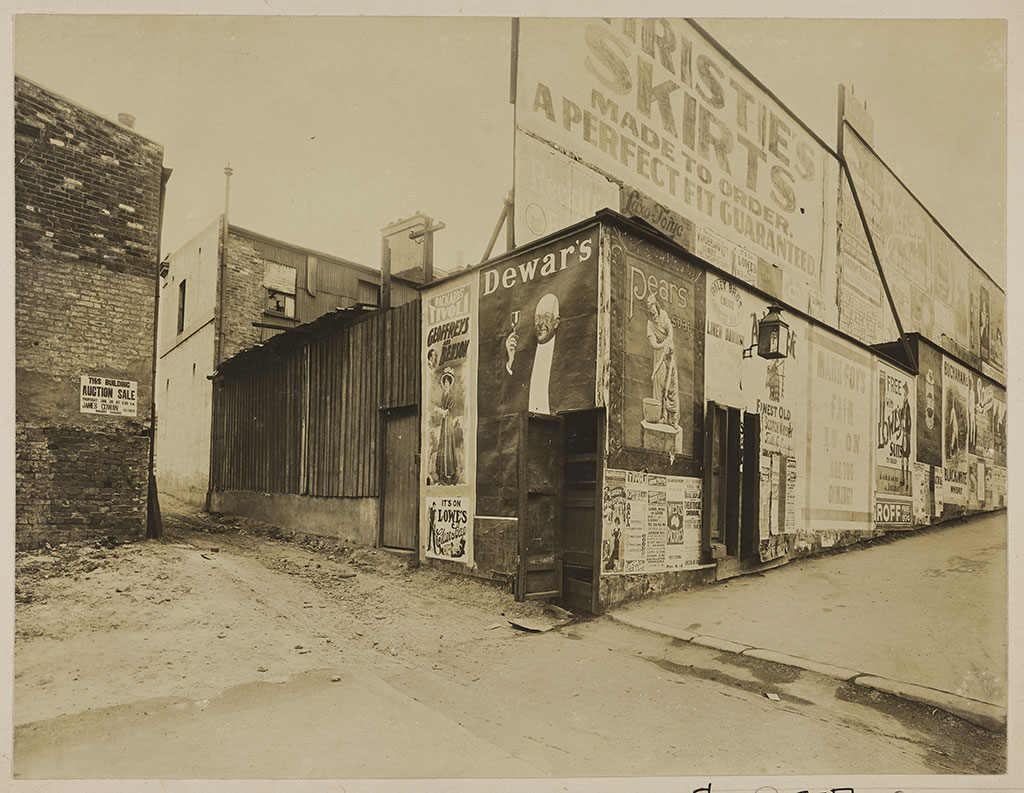
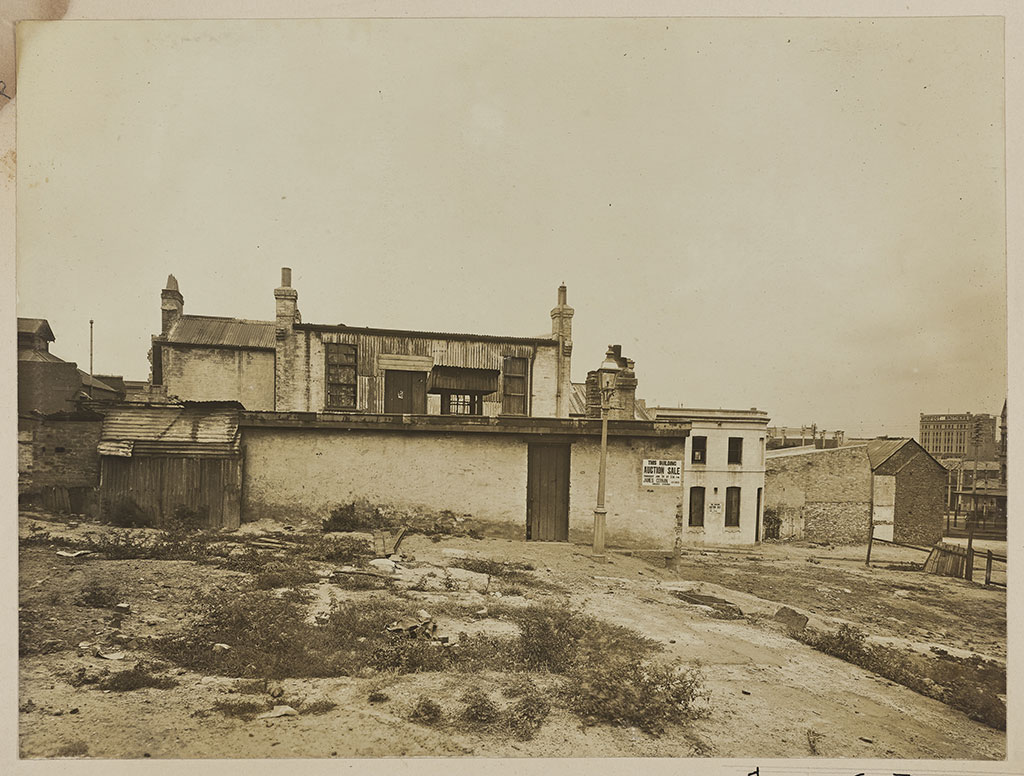
Goon Ick managed Gee Ick & Co, General Merchant store when it was located on Wexford Street in Sydney, an area that no longer exists as it was cleared around 1906-1908 for the construction of a new Wentworth Avenue. Many houses in the vicinity, including those inhabited by a large Chinese population, were demolished. The accompanying photo shows Gee Ick & Co in a derelict state, marked for demolition. There are numerous reports on Trove documenting the reputation of Wexford Street, which was known for gambling and opium dens10.
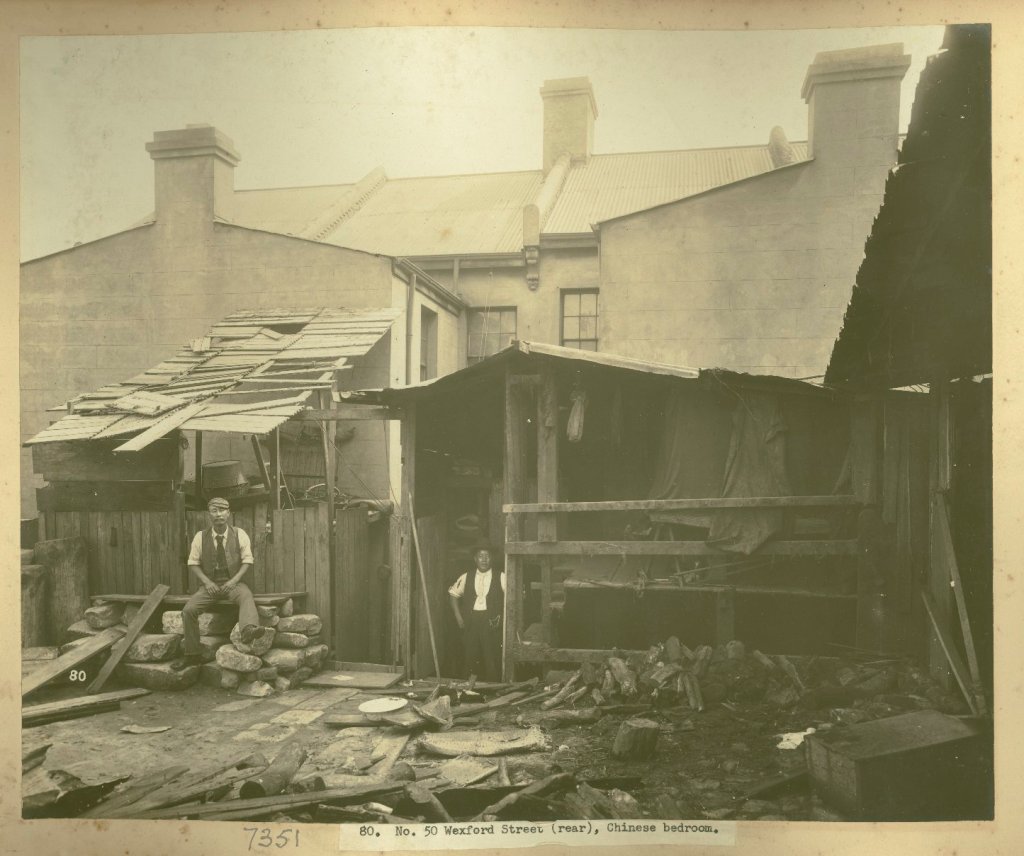
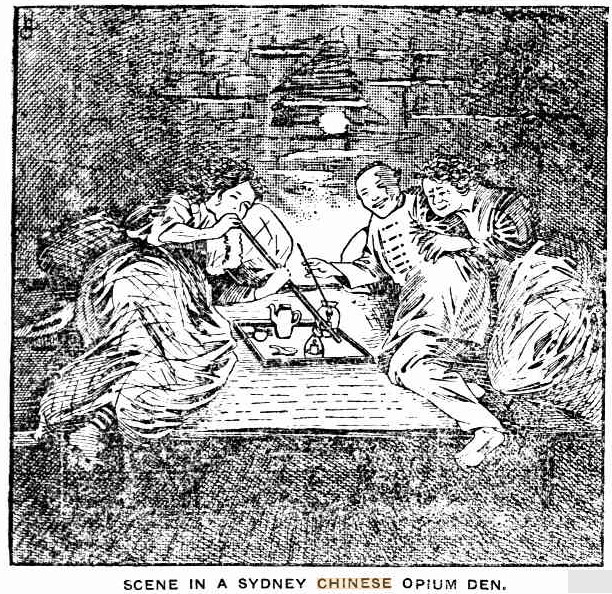
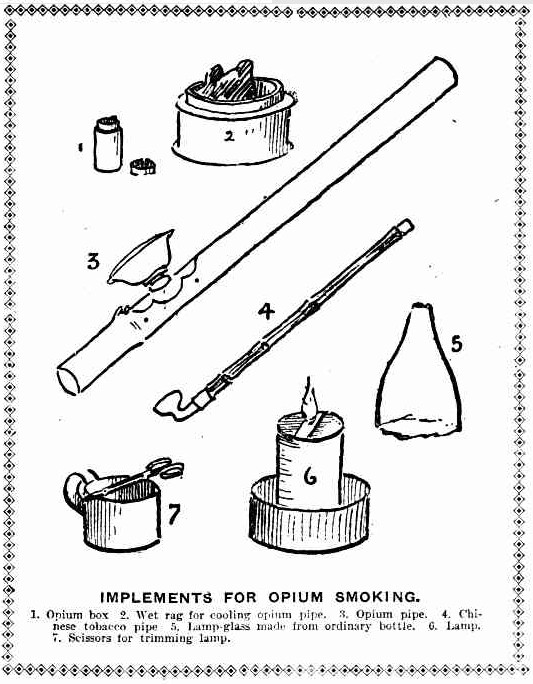
SYDNEY OPIUM DENS (1904, October 9). Sunday Times (Sydney, NSW : 1895 – 1930), p. 1 (The Sunday Times Magazine Section). http://nla.gov.au/nla.news-article127811279
Due to its unsavoury reputation, Gee Ick & Co relocated to 25 A & B Campbell Street, where it operated from 1903 to 1902.
Notice to Gee Ick & Co. to cleanse and disinfect premises 374 Pitt Street and a request for information about disinfectants used and possible damage to stock in 1902.
City Building Surveyor. [Ruinous and dangerous buildings dealt with 1/1/1902 to 4/4/1902 (first (07/04/1902 – 17/04/1902), [A-00171352]. City of Sydney Archives, accessed 08 Dec 2025, https://archives.cityofsydney.nsw.gov.au/nodes/view/788184
1909
In 1909 reports of Chinese Stowaways were found on the steamer S.S. “Courtfield”. Application is made by George Gee Ick of 34A Campbell Street Sydney, and Poy Chong, manager for Sun Hing Jang & Co., 429 Pitt Street Sydney. to be allowed to transfer eleven Chinese (Wong Wai, Wong Foon, Ah Hing, Ah Wai/Wee, Ah Yum, Lee Joe, Lee Foo, Lee Koon Jaw/Wah Sing, Lee Wai Jaw, Lee Man Fong and Choy Chock) to the steamer “Changsha” for transit to China, and the request was approved. Lee Joe, Lee Foo, Lee Koon Yan/Wah Sing, Lee Wai Jan, Lee Man Fong all state that they are from Houn San in China, and after paying 1,000 to Louey Hook Yow in Hong Kong, they were smuggled onto the Steamer by a very fat man believed to be the Cook, they were hidden in either the the rice room or the fireman’s place. ” …They intended to find some cousins here”. Perhaps these unfortunate stowaways are relatives of Goon Ick.
1913 move to 100 Hay Street, Sydney
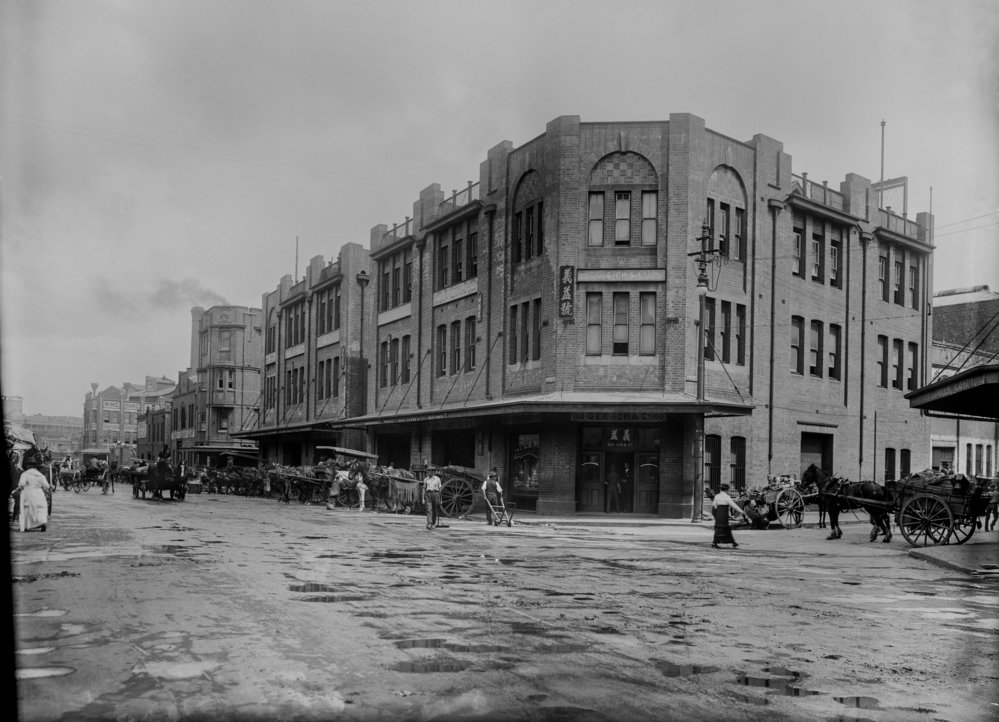
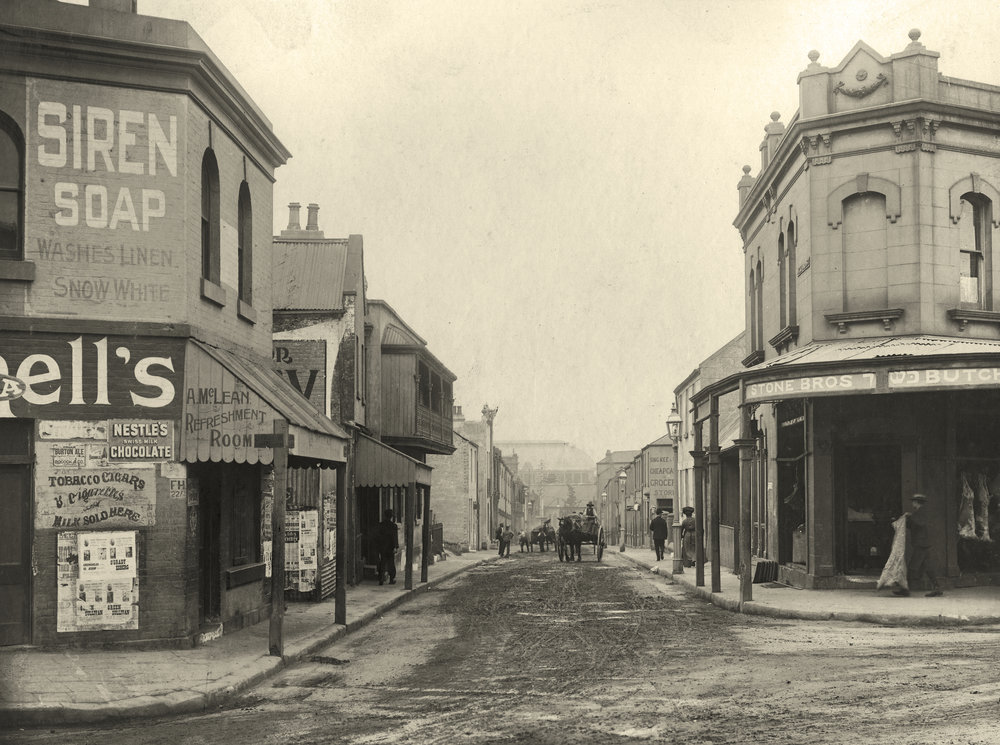
In 1913 Gee Ick and Co. relocated to 100 Hay Street where it was situated on the corner. You can just make out the lettering Gee Ick and Co on the facade. In 1919, Gee Ick & Co, shareholders (and probably all relatives) in Gee Ick & Co are listed as: ICK, Goon; JAW, Goon Ching; WAR, Din; SUM, Tung; TUJ, War Ick; JOW, Goon Chin; WAR, Din; SUM, Tong.
George Goon Ick trading as Gee Ick applies and obtains tobacco licence11.
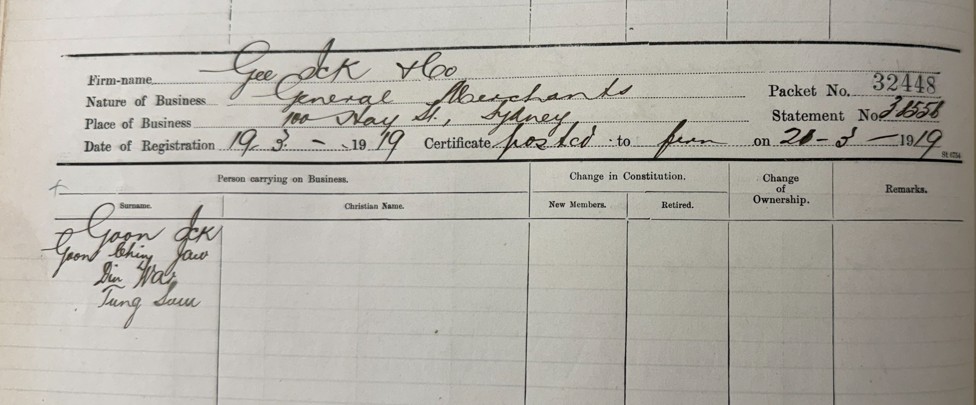
Business Renamed Hop Chong & Co.
In 1919 the business changed names to Hop Chong & Co, importers and exporters, fruit and produce merchants, which was once owned by brothers Lee Kee Chong and Lee Goon Ick, along with CHONG, Lee Nee; CHONG, Alick Lee; LEE, Willie; TING, La Foo; ON, Lee
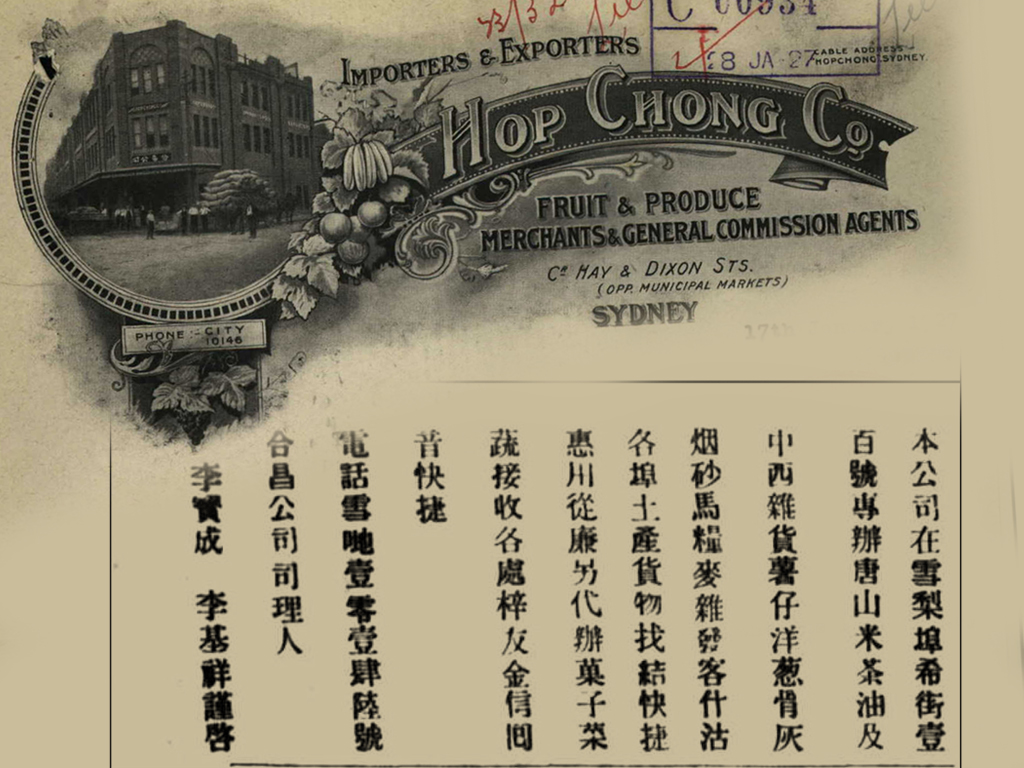
Hop Chong & Co continued to occupy 100 Hay Street until at least 194812.
- NAA: SP42/1, C1912/3058 – W L Kum Yin and Willie Gee Ick [includes photographs] ↩︎
- Shipping Gazette (1865, December 23). Sydney Mail (NSW : 1860 – 1871), p. 7. Retrieved February 1, 2026, from http://nla.gov.au/nla.news-article166662339 ↩︎
- https://www.archaeological.com.au/circularquayarchaeology ↩︎
- Benton, G., Liu, H., & Zhang, H. (Eds.). (2018). The Qiaopi Trade and Transnational Networks in the Chinese Diaspora (1st ed.). Routledge. https://doi.org/10.4324/9781315113043 ↩︎
- NAA: SP42/1, C1912/3058 – W L Kum Yin and Willie Gee Ick [includes photographs] ↩︎
- ” page 23-24 ↩︎
- APA citation
CHINESE IMMIGRATION. (1881, April 30). The Riverine Grazier (Hay, NSW : 1873 – 1954), p. 4. Retrieved February 23, 2026, from http://nla.gov.au/nla.news-article140562689 ↩︎ - THE CHINESE COMMISSIONERS. (1887, May 14). The Daily Telegraph (Sydney, NSW : 1883 – 1930), p. 7. Retrieved October 31, 2025, from http://nla.gov.au/nla.news-article239813922 ↩︎
- THE SOUTH POLAR EXPEDITION. (1897, September 7). The Daily Telegraph (Sydney, NSW : 1883 – 1930), p. 4. Retrieved February 23, 2026, from http://nla.gov.au/nla.news-article238430107 ↩︎
- APA citation
SYDNEY OPIUM DENS (1904, October 9). Sunday Times (Sydney, NSW : 1895 – 1930), p. 1 (The Sunday Times Magazine Section). Retrieved February 23, 2026, from http://nla.gov.au/nla.news-article127811279 ↩︎ - TOBACCO, CIGAR, AND CIGARETTE LICENSES. (1913, November 19). Government Gazette of the State of New South Wales (Sydney, NSW : 1901 – 2001), p. 6953. Retrieved December 8, 2025, from http://nla.gov.au/nla.news-article228060555 ↩︎
- Heritage assessment – ‘Lee Kee Chong’ and City of Sydney Archives Assessment Book Phillip Ward, 1939-1948 https://www.cityofsydney.nsw.gov.au/policy-planning-changes/proposed-heritage-listing-3-buildings-chinatown ↩︎
 Chen Quin Jack
Leave a comment